Posts Tagged ‘dream’
Fall
Season See: Autumn.
Family and family relationships
Family represent values, attitudes and emotional or social responses we have absorbed from our family; the acceptance or tensions we feel in relationship with family contact; the support or pain we feel from parents and siblings.
When you think about your family or any member of it, you are only taking in your thoughts, impressions and feelings about them. So many people do not realise that they have an inner family equally as powerful as the external person you know. You have taken in millions of bits of memory, lessons learnt, life experiences along with all the feelings or problems met by meeting or living with them, and they change you and make you the person you are. The memories and experience we gather unconsciously change us and are not lost. It is part of you and is symbolised in dreams as a person or family. Such an inner family or member can appear in dreams because you still carry the memories or impressions of them, and so they influenced what you hold within you.
Even if that family is damaged and hurt we are still a part of it. It still satisfies us and our need for connection. As blasted and tormented as our family life may be, that is a whole family. Our attempts to make that good are our spiritual life. Our attempts to make that good or to contribute towards it in some way, also are our spiritual life. It is an initiation as an individual person into the fact that ones life is a part of a larger life and a larger community.
From our family we learn most of the positive and negative patterns of relationship and attitudes towards living, which we carry into daily events. Father’s uncertainty in dealing with people, or his anxiety in meeting change, may be the roots of our own difficulties in those areas. If our mother is unable to develop a feeling contact with us, we will lack the experience of being able to love unless we learn it in other relationships.
Example: They curse and cry until all their disillusionment and rage and heartbreak is dispelled. But then finally they see their parents as they really were. One patient looked back at her domineering neurotic mother and for an instant she saw her surrounded by all her flaws and all her virtues. And for the first time she found forgiveness and understanding for the flaws, and gratitude for the virtues. Her mother was not a goddess, not even a very good mother, but she was the woman who had borne and nourished her. Without denying the pain she had suffered at her mother’s hands, the patient could now say, “Yes, that woman is really my mother, and I am really her daughter.” And in accepting this reality which neither she nor anyone else could change, she discovered an almost mystical joy. Then she looked at her incompetent, rather befuddled father and thought, “This is my father; I shall never have another,” and again the radiant warmth and gratitude surrounded her. For the first time, her psyche, done with its wandering to the far lands of illusion and denial, had come home to accept the real terms of its existence, and had found peace in them. Quoted from LSD Psychotherapy by Caldwell.
Our maturing process calls us to in some way meet and integrate our childhood desire, which includes sexual desire, for our parent of the opposite sex, and rivalry mingled with dependence, with parent of the same sex. Even a missing parent, the mother or father who died or left, is a potent figure internally. An absence of a father or mother’s love or presence can be as traumatic as any powerfully injuring event. Our parents in our dreams are an image, full of power and feeling, of the formative forces and experiences that created our identity. They are the ground, the soil, the bloody carnage, out of which our sense of self emerged. But our identity cannot gain any real independence while still dominated by these internal forces of our creation. Heraclitus said we cannot swim in the same river twice. Attempting to repeat or compete with the virtues of a parent is a misapprehension of the true nature of our own personality. See: individuation.
family group: This indicates the whole background of experience which makes up our values and views. This background is made of thousands of different obvious and subtle things such as social status; amount of books in the home; how parents feel about themselves; how they relate to life outside the family; whether dominant roles are encouraged; what nationality parents are; what unconscious social attitudes surround the family i.e. the master and servant, or dominating employer and subservient employee roles which typified England at the turn of the century. All these things still colour many attitudes we carry in us perhaps unconsciously.
Simply put: Our internal ‘family’ of urges and values; the overall feeling tone of our family life – security, domination, whatever it was; the unconscious coping patterns of the family.
Parents together in dream: Our general wisdom; background of information and experience from which we make important decisions or gain intuitive insights – negative or positive. Parents also depict the rules and often irrational disciplinary codes we learned as a child which still speak to us from within, and perhaps pass on to our own children without reassessment. These include everything from DON’T SPEAK WITH YOUR MOUTH FULL to MASTURBATION WILL KILL YOU.
Hurting, burying or killing parent: In the example below Audrey’s height shows her as a child. She is releasing anger about the attitudes and situations her father forced ‘down her throat’. To be free of the introverted restraints and ready made values gathered from our parents, at some time in our growth we may kill or bury them in our dreams. Although some people are shocked by such dreams, they are healthy signs of emerging independence. Old myths of killing the chief so the tribe can have a new leader, depict this process. When father or mother is ‘dead’ in our dream, we can inherit all the power gained from whatever was positive in the relationship.
Seeing parent drunk, incapable or foolish: Another means of gaining independence from internalised values, or stultifying drives to ‘honour’ or admire father or mother.
Dead parent in dream: Either the beginning of independence from parent; repression of the emotions they engendered in us. It can be our emotions regarding our parent’s death. To see them dead faces you with being without them, something you need to do at some time in your growth toward independence. Facing feelings about death. See: dead people.
Example: ‘My father was giving me and another woman some medicine. Something was being forced on us. I started to hit and punch him in the genitals and when he was facing the other way, in the backside. I seemed to be just the right height to do this and I had a very angry feeling that I wanted to hurt him as he had hurt me.’ Audrey V.
Sometimes a dream about our family is a literal statement in symbols, of what we sense is happening in the family.
Example: I was on a train with my family – wife, and two daughters. The train was derailed but nobody was hurt and we got off the train. I was walking in a field near the train. I thought my wife and daughters had got back on the train. Then suddenly another train smashed into the rear of the derailed train making it concertina into a heap. I wasn’t sure if my family were still on the train.’
Roger associated the theme of derailing with a change in direction – the change that was coming about through his children becoming independent. Some months later his wife and daughters left him. Divorce followed.
Father dad daddy General positive: Your father is often the authority in your early life, and may represent this influence or power in you as an adult. He also depicts the ability to be productive in the external workaday world. Depending upon what level of relationship you have developed with him, your dream father is the power of creative life in you, the power to do, to create, to transform; the power in you to grow and unfold your potential. It has to be remembered that the dream father is not an image of your external father, but of what you carry of him inside you; what you have managed to develop of a working relationship with the power he represents. So you may, because of difficulties with your external father, be in conflict with your internal father, and so be lacking your full power to transform and create.
The dream father may depict family or social conventions along with physical strength and protectiveness; the will to be and to do, and so your outgoing energies. As such he represent your confidence as you go out the door of your home into the arena of public life. A poor relationship with your external or internal father leaves you somewhat crippled in that area. But by working with your dreams on your relationship with your internal father this can be changed. See: using symbols to change habitual life problems; working with dreams.
Father General negative: Introverted aggression; dominance by fear of other people’s authority; uncaring sexual drive; feelings of not being loved, inability to be creative in the world, in your outer activity. See: archetype of father; man.
Dad’s Curse and Mum’s Curse:
mother She depicts all that you have grown from and inherit in the way of what you express or deny in yourself. She is the problems and strength you have or face in life, so, your fate or karma.
General positive: Feelings; being given to, looked after, and fed; protection; feelings of dependence; ability in relationships; uniting spirit of family; how we relate to feelings in a relationship; strength to give of self and nurture; intuition.
General negative: Will based on irrational likes and dislikes; opinion generated by anxiety or jealousy; domination by emotions; lack of bonding; misery and pain resulting from the bad relationship with mother or the psychological injuries she promoted.
Each of us have a fundamental, perhaps instinctive, drive to bond with a woman at birth. This has generated from millions of years of survival strategy. If that bonding does not take place, much of what would have been natural unfoldment and growth, cannot, or does not, take place. So mother sometimes represents this whole difficult issue of survival and what happened in those early years of trying to become independent of such extraordinary needs.
Explaining something to mother: In our relationship with our parents we unconsciously absorb an enormous amount of ethical and social ways of responding to life and people. So the dream explanation might be a way of trying to move beyond one of the conditioned influences. This is shown in the example.
Example: I dreamt I was in the house in London talking with my mother. At first there was an overall feeling of not being good enough. I think this surrounded the fact that I had been sitting around reading, and not apparently working. This is in fact what I have been doing the last few days, and in my waking life it has been very refreshing. But in the dream I was trying to explain to my mother that this was not being lazy or good for nothing. That day, Friday, I had done fairly well on the stock market. On one of the sales, with a small investment, I had earned £80/ $160. In the dream I told this to my mother, and began to feel more positive. Des.
Des has obviously been raised in a family environment in which hard work in a physically active way is seen to be a mark of character, and being unproductive a mark of laziness. In his dream he is dealing with the inner impulse to judge himself as lazy that arises from his upbringing. See: archetype of the great mother; woman.
Whether brother, sister, daughter or son, the most general use in our dreams is to depict an aspect of ourselves! It is almost universal to believe with great conviction that our dream is about the person in our dream. A mother seeing a son die in her dream often goes through great anxiety because there lurks in her a sense of it being a precognitive dream. Virtually everyone at some time dreams about members of close family dying or being killed. Lots of mother’s dream this and their children live till eighty. But occasionally children do die. Is the dream then precognitive, or is it coincidental? See Characters and People in Dreams
Example: ‘I was walking along a rather dusty track carrying my younger son who would be around 10 months old and I was feeling rather tired. Suddenly I met a man who stopped to talk to me and commented I looked rather weary carrying the baby. He said, come with me and look over this wall and you will see such a sight that will gladden your heart. By standing on tiptoe I could just see over the wall and the sight I beheld took my breath away, it was so beautiful.’ E.
Here J son depicts the weight of responsibility she feels. The beauty is her own resources of strength in motherhood.
Example: ‘I have just given birth to twins and they lay on the floor. We started to care for them. My mother took them to the Doctor for his advice while I went to see my married sister who has two children. I met them there with the twins so that my sister could give her opinion on the babies. She had recent experience of childbirth and could tell us if the babies were good specimens.’ Miss E.
Miss E. has no children of her own, so she is uncertain of her own capacity to have and raise them. The mother depicts her own mothering abilities, which seek confidence from an authority figure. Her sister is her own nearest experience of childbirth. So out of what she has learned from observing her sister, she is assessing her own qualities.
Most often the family member depicts the qualities in ourselves which we feel are part of the character of the person dreamt of. So the passionate one in the family would depict our passions; the intellectual one our own mind; the anxious one our hesitations. Having done this, can you observe what the dream depicts? For Miss E. it would be questions regarding motherhood.
Example: ‘My daughter told me the only positive part of my work in a helping profession was with a woman who had turned from it to religion. There followed a long and powerful interchange in which I said she had as yet no mind of her own. She was dominated by her mother’s anxiety, and the medical rationalism of her training. When she had dared to step beyond her own anxieties to integrate the lessons of her own life, then I would listen again.’ Desmond S.
Desmond was divorced and struggling with his own pain and guilt about leaving his daughter while still a teenager. His daughter depicts this conflict between his feelings and his rational self.
ancestors The intricate web of cultural and family influences, physically and psychologically, that your body and personality arose from. If it is a particular ancestor, then the personal associations with that person need to be explored. For instance an uncle may have been renowned for womanising, so would represent that tendency.
Ancestors can also link with deeply buried tendencies we have unconsciously inherited from the long past. Sometimes they point to the karma we are dealing with – the difficulties or traits that arise in our life, that we cannot honestly see have been developed or collected in this lifetime.
Example: While on a post-doctoral fellowship, I had the opportunity to study the dreams of families in therapy. To my surprise, we discovered that recurrent patterns of interaction and behavior are reflected in the dreams of each family member. This was especially true when the family was going through a crisis or some intense situation.
We noted the simple fact that families are often living in the same place, including the same house and rooms for decades and sometimes for generations. They are often in similar sleep and dream cycles at the same time of the night. Certain coordinating tendencies could be seen. It became very clear to us that the major emotional issues in the family were each reflected in slightly different ways in each family member’s inner landscape. In a certain sense, each family member’s dream life reflected the dream life of each other family member. Edward Bruce Taub-Bynum, Ph.D
Any seed we plant doesn’t grow completely new, it doesn’t start from the beginning again but from the millions of years of the plants existence. So the seed is a sort of summary of the plants whole history. And the tree or plant that grows from a seed is a summary of the whole history of it, but it would feel unique and new if it were conscious. In fact it is new, but it carries within it the whole experience of its past, and will pass this on to seeds it produces. Obviously if you were a seed and planted you would feel you are completely new and unique; so it is with us humans, we carry our whole past within us unconsciously. And we touch that unconscious history if we are open to it. See: dweller on the threshold.
aunt To some extent an aunt is a role model. We gather from their success or failure strategies for our own life. Whatever feelings we have about them, whatever we think of them, the dream will use this to illustrate something for you. So consider how you would describe your aunt, what sort of person she is, and how you feel about her. The dream will be using her image to illustrate the role you see her in. If she is a success, ask yourself what in yourself you are facing regarding success. If you feel she is a failure, ask yourself what of your own feelings about failure you are facing.
boy See boy
brother Oneself, or the denied part of self, meeting whatever is met in the dream. These may include rivalry, anger, feelings of persecution, love and admiration, authority, or an outgoing ability to deal with the world.
If you don’t have a brother, it most likely depicts an aspect of your personality illustrated by the dream character, or your male characteristics.
In woman’s dream – younger brother: Outgoing but vulnerable self; rivalry.
Older brother: Authority; one’s capable outgoing self; or feelings of persecution.
In man’s dream – if younger brother: Vulnerable feelings; oneself at that age. See: boy; man.
Idioms: Big brother; brothers in arms; blood brother.
cousin Probably represents your opinions or feelings about that person. See Characters and People in Dreams
Cousins are often an easy way to try out sex or love with, as in the examples. This is because we have often shared a lot of time with them, they are family and we feel easy with them.
Example: It came to me how badly I had wanted my cousin Sylvia sexually when I was a teenager. Yet I could not but feel guilty about my desire, for being a cousin. But the guilt was easily relinquished, and I saw myself as I had so badly wanted, going in that little patch of hair. I got a lot of sexual pleasure out of the experience, and it passed. Something interesting I learned from it was that the taboos in regard to the family are built into us, even to the point of me not even allowing a fantasy for all those years.
Example: Down a steep hill. In a house. I had to give a man (cousin Abner or Nate) a shot. A two-pronged needle with red liquid. I know it will hurt him. I didn’t want to but I had to. He yelled in pain. He turned on the bed, writhed around, and threw himself around. I snuck up and finished the dosage. He yelled in mock anger. He grabbed me. We tumbled to the floor. He started to make love, wildly, lovingly. Later at the table, an ugly woman with horrible eyes, glazed, hazy, and blue, came in. Said to him, “So there’s the louse.” I gave her a straight look. I said, “Just leave him alone!” Anger. She steadily looked at me. Another woman, possibly my mother watched the tense scene.
Of course it could go the other way of feeling hatred, not love.
Example: I was a soft crab, under a stone on the sea-shore. With infinite starvation, and struggling, and kicking, I had got rid of my armour, shield by shield, and joint by joint, and cowered naked and pitiable, in the dark, among dead shells and ooze. Suddenly the stone was turned up; and there was my cousin’s hated face laughing at me, and pointing me out to Lillian. She laughed too, as I looked up, sneaking, ashamed, and defenceless, and squared up at him with my soft useless claws. Charles Kingsley – from Alton Locke, 1850.
Being with or following a cousin can mean you identify with the way they are and are copying or learning their style. We all are actually all the time learning from or absorbing things form other people or even animals – that is how we learn and grow.
Dreaming of a dead cousin can be an actual communication with them. In which case see Dreaming of Death. But it can be a way of showing an aspect of you, symbolised by your cousin. As already mentioned see Characters and People in Dreams.
Useful Questions and Hints:
What was my last interaction with my cousin, and what feelings or attitudes do I have about that?
Do I have sexual feelings about this cousin, and if so how do I handle them?
What is the character, strengths and weaknesses of this cousin, and how do they apply to me?
See The Dream as a Code – Emotions and Mood in Dreams – Techniques for Exploring your Dreams
daughter One’s relationship with the daughter. The daughter, or son, can represent what happens in a marriage between husband and wife. The child is what has arisen from the bonding, however momentary, of two people. In dreams the child therefore is sometimes used to depict how the relationship is faring. So a sick daughter might show the feelings in the relationship being ‘ill’.
In a mother’s dream: Often feelings of support or companionship; feelings of not being alone in the area of emotional bonds; or one’s feeling area. Responsibility; the ties of parenthood or oneself at that age. Your own youthful urges, difficulties, hurts, which may still be operative.
A comparison. The mother might see the daughter’s youth, opportunity, and have feelings about that. So the daughter may represent her sense of lost opportunity and youth – even envy; competition in getting the desire of a man.
In a father’s dream: The state of the marriage. One’s feeling self; the feelings or difficulties about the relationship with daughter; the struggles one’s own feeling self goes through to mature. How the sexual feelings are dealt with in a family situation – occurs especially when she starts courting. Can represent ones sister; parental responsibility; one’s wife when younger.
Someone else’s daughter: Feelings about one’s own daughter or feelings about younger women.
Death of daughter: This can sometimes suggest you are losing your daughter because she is becoming independent. But it can signify feelings of great loss, or the end of something such as a relationship.
Example: ‘I am standing outside a supermarket with heavy bags wearing my Mac, though the sun is warm. My daughter and two friends are playing music and everyone stops to listen. I start to write a song for them, but they pack up and go on a bus whilst I am still writing. I am left alone at the bus stop with my heavy burden of shopping, feeling incredibly unwanted.’ Mrs F.
Such dreams of the daughter becoming independent can occur as soon as the child starts school, persisting until the mother finds a new attitude. See: child; woman.
girl See girl
grandparents Personal feelings connected with the grandparent; family traditions, such as established values or unconscious attitudes; spiritual values; old age; death.
The grandparent can also represent what you have come to know, what you have built into you of the divine spark of life, the radiant potential that is at your core. So you might say that the grandparent is the divine or infinite you know because of what you have drawn out of the infinite possibilities of everyday life.
husband Depicts how you see the relationship with your husband; your relationship with your sexuality; sexual and emotional desire and pleasure; how you relate to intimacy in body, mind and spirit or habits of relationship developed with one’s father.
Example: ‘My recurring dream – some disaster is happening. I try to contact the police or my husband. Can never contact either. I try ringing 999 again and again and can feel terror, and sometimes dreadful anger or complete panic. I cry, I scream and shout and never get through! Recently I have stopped trying to contact my husband. I managed once to reach him but he said he was too busy and I would have to deal with it myself. I woke in a furious temper with him and kicked him while he was still asleep.’ Mrs G. S.
The husband here depicts Mrs S’s feelings of not being able to ‘get through’ to her man. This is a common female dream theme, possibly arising from the husband not daring to express emotion or meet his partner with his own feelings. For Mrs S. this is an emergency. Although the dream dramatises it, there is still real frustration, anger, and a break in marital communications.
Cannot find husband or husband dying: Many middle aged women dream of ‘losing’ their husband while out with him, perhaps shopping, or walking in a town somewhere. Sometimes the dream portrays him actually killed. Mrs A. D. wonders if her dream was a premonition. It is more likely a form of practising the loss, so it does not come as such a shock. The greatest shocks occur when we have never even considered the event – such as a young child losing it’s mother – an event it has never practised, not even in fantasy, so has no inbuilt shock absorbers. As most of us know, men tend to die before women, and this information is in the mind of middle aged married women. Mrs A. D. may have unconsciously observed slight changes in her husband’s body and behaviour, and therefore readied herself.
Example: ‘I dreamt many times I lost my husband, such as not being able to find the car park where he was waiting, and seeing him go off in the distance. I wake in a panic to find him next to me in bed. These dreams persisted, and then he died quite suddenly. He was perfectly healthy at the time of the dreams and I wonder if it was a premonition of me REALLY losing him.’ Mrs A. D.
Dead husband: Your memories and remaining emotions about your husband. Most people are often totally unaware of the experience they take in and how it interacts with them when we love someone. In other words the memories and experience we gather unconsciously change us and are not lost. It is part of you and is symbolised in dreams as a person or event. You have taken in millions of bit of memory, lessons learnt, life experiences along with all the feelings or problems met by loving and living with someone and they are what makes you the person you are. Your dreams tend to put all that in the image of the person when you are dealing with the influences left in you from the relationship.
The example below illustrates the ‘psychic’ meeting some women experience. In anything of an apparently psychic nature, we must ALWAYS remember the unconscious is the great dramatist. It can create the drama of a dream in moments. In doing so it makes our inner feelings into apparently real people and objects OUTSIDE OF US. While asleep we lightly dismiss this amazing process as ‘a dream’. When it happens while our eyes are open or we are near waking, for some reason we call it a ghost or psychic event. Yet the dream process is obviously capable of creating total body sensations, emotions, full visual impressions, vocalisation – what else is a dream? On the other hand, the dream process is not dealing in pointless imaginations. Many women tend to believe they have little sexual drive, so it is easier for G. L. to see her drive in the form of her husband. But of course, her husband may also depict how she felt about sex in connection with his ‘sexual appetites’. It is a general rule however, that our dream process will dramatise into a past life, or a ‘psychic’ experience, emotions linked with trauma, or sexual drive, which we find difficult to meet in the present.
Example: ‘My dead husband came into my bedroom and got into bed with me to make love to me. I was not afraid. But owing to his sexual appetites during my married life with him I was horrified, and resisted him with all my might. On waking I felt weak and exhausted. The last time he came to me I responded to him and he never came back again. This happened three times. The last time I don’t think it was a dream. I was not asleep. I think it was his ghost.’ G. L.
Other woman’s husband: One’s own husband; feelings about that man or desire for a non committed relationship with less responsibility.
Sex with husband: One can fairly safely say that our dreams are not so much about how the world and other people actually ARE, but rather how we see or passionately FEEL people or the world are. Of course our feelings and views may be very accurate, but one must always be aware of the variance between what one has created out of ones own inner life and vision, and how others people see themselves or events actually are.
Therefore the sexual dream at best is a wonderful indicator of how you, the dreamer, are feeling about your sexual and emotional relationship, or what one longs for, at the time of the dream. At worst it depicts all one fears might happen or be happening.
Example: I dreamt I was laying in bed with my husband. I felt a sexual attraction and flow, something I hadn’t felt for a while in our relationship. I reached out to him expressing this but there wasn’t any response from him. So I talked to him saying that I had reached out to him sexually and in his body response I had felt there was no attempt to meet me. He replied that in fact that was the situation as far as he was concerned – that he was indeed saying no. Jo K.
Jo and her husband had lived for a year without any sex at all prior to the time of this dream. This had not been an unhappy time. Far from it, they had achieved a lot of peace and warmth without tension. On talking about her dream with her husband, he felt that he wasn’t saying no to her sexually. Indeed, his stated reason for not reaching out to her was that for years it had always been him making the approach to her. This had led to his feeling he was imposing something on her and as this was unpleasant he had stopped any attempt at sexual relationship. So Jo’s dream was really about how she saw her husband rather than what was actually happening.
relatives Including uncle, aunt, cousin, nephew, niece etc. Usually an aspect of oneself relevant to the character of the person dreamt about. Sometimes represents one’s family traditions – unconscious attitudes, conventions, or even talents, which are part of the unique psychological and social environment a family provides. See Characters and People in Dreams
sister Feeling self, or the lesser expressed part of self; rival or feelings of kinship.
In man’s dream – younger sister: Vulnerable emotions; rival for love of parents.
Older sister: Capable feeling self.
In woman’s dream – younger sister: One’s experiences at that age; vulnerable feelings; rival for parents love.
Older sister: Capable feeling self; feelings of persecution.
Idioms: Sisters under the skin.
son The condition of the marriage. Extroverted self; desires connected with self expression; feelings connected with son; parental responsibility.
Mothers dream: One’s ambitions or hopes for his potential. Hopes. State of your marriage – see first example below.
Father’s dream: Yourself at that age; what qualities you see in your son; your own possibilities; envy of youth and opportunities; rivalry.
Someone else’s son: Feelings about one’s own son; feelings about younger men.
If dreaming of dead son: see dead people.
Death of son: A mother often kills off her son in her dreams as she sees him make moves toward independence. This can happen from first day of school on. But the death of a son also signifies feelings of great loss, or the end of something, perhaps a relationship, or something that meant a great deal to you. See second example below. See: boy; man; first example in falling.
Example: ‘My wife and I were walking out in the countryside. I looked around suddenly and saw my four year old son near a hole. He fell in and I raced back. The hole was narrow but very deep. I could see water at the bottom but no sign of my son. I didn’t know whether I could leap down and save him or whether it was too narrow. Then somehow he was out. His heart was just beating.’ Richard H.
Richard had argued with his wife in such a way he feared the stability of their marriage. The son represents what they had created together – a child – a marriage. The marriage survived, as his dream self assessed it would.
Example: ‘I am on a very high bridge over an extremely wide and deep river with steep banks. My son does a double somersault over the railing and falls into the water. I think he is showing off. I am unable to save him. My son is eighteen and has started a Structural Engineering Course at University.’ Joyce H.
The showing-off suggests Joyce feels her son is doing daring things with his life, and the relationship in its old form is dying. It is about being able to let go of her son as he becomes independent – which she may face as early as play school. A daughter may not pose this problem as women often feel a daughter will remain a friend, whereas their son may find someone else to love. The dream is therefore a way of either feeling the shock or learning to make the break emotionally.
the triangle The example shows typical flow of feeling toward another male. The other male here depicts Joan’s desire to be attractive to other men. This is a danger signal unless one fully acknowledges the impulse.
Example: ‘ There were three of us. My husband, a male friend and I, all riding small white enamel bikes. My husband proceeded slowly, first, with his back to us. Then my friend followed. Suddenly my friend ahead of me turned and gazed fully at me. He gave a glorious smile which lit up the whole of his face. I felt a great sense of well being surge through me.’ Joan B.
uncle To some extent an uncle is a role model. From their success or failure you gather strategies for your own life. Whatever feelings you have about him, whatever you think of him, the dream will use this to illustrate something for you. So consider how you would describe your uncle, what sort of person he is, and how you feel about him. The dream will be using his image to illustrate the role you see him in. If he is a success, ask yourself what in yourself you are facing regarding success. If you feel he is a failure, ask yourself what of your own feelings about failure you are facing. See Characters and People in Dreams
widow See: widow.
wife Depicts how you see the relationship with your wife; your relationship with your sexuality; sexual and emotional desire and pleasure or how you relate to intimacy in body, mind and spirit. I could also indicate your feeling, intuitive nature or habits of relationship developed with one’s mother.
Example: ‘My wife was trying to get me out of her life, and out of the house. It was as if she were attempting to push me into a feeling of tension and rejection which would make me leave.’ David P.
Out of childhood experiences in which his mother repeatedly threatened to give him away, David was finding it difficult to emotionally commit himself to his wife. In the dream his wife represents these feelings, so he sees her – his anxiety and pain – pushing him to break up the marriage. David ‘broke up’ the relationship with his mother by breaking his emotional bond with her.
Example: ‘I was standing with my wife at the end of the garden of the house I lived in as a child. We were looking over the fence to the rising meadow beyond. She said, ‘Look at that bird in the tree there.’ On our right, in a small ash tree, an enormous owl perched. It was at least four feet high, the biggest bird I have ever seen. I recognised it in the dream as a greater hooded owl, which was not native to our country. I was so excited I ran into the house to telephone someone – zoo, police, newspapers? – to tell them about the bird. I cannot remember contacting anyone, but felt the bird was there in some way to meet me. Also it was hungry and looking at next door’s bantams. So I wondered what I could give it to eat.’ David P.
This shows the positive side of David’s relationship with his wife. The garden represents the behaviour boundaries which arose from his childhood. But he is growing – the garden – and looking beyond them through his marriage. The amazing bird is the deep feelings he touches because he has a mate like any other natural creature. Out of his mating he becomes aware of drives to build a home – nest – and give himself to his mate. These are natural and are a part of his unconscious or spiritual nature. The bird is a hooded owl which can see in the dark – the unconscious – meaning David is realising things he had never ‘seen’ before. The bird is masked, because David through loving is learning to put his ego aside, which is a necessity for touching the wider dimension of life or the unconscious. The hunger of the bird shows an intimate detail of what David has learned from his wife. She had been working as a waitress and bringing home pieces of chicken for him, saved from her own meal. The spiritual side of David wants to develop this quality of self-giving, which his wife’s love had helped him see.
Example: ‘I have been a widower since Jan. 1979, having married in Oct. 1941. I continually dream I am in London where my business was. I am walking the streets with my wife and suddenly I see her ahead of me in a yellow rain coat and hat. I call her and try to catch up, but suddenly she vanishes. In spite of calling and searching I cannot find her.’ Douglas G.
This is a common theme dreamt by widowers or widows – disappearance of spouse. Douglas has ‘lost’ his wife. His dream shows the paradox of love after death of partner. His love is still there years after her death. He is possibly still trying to love his wife as an externally real person, so his feelings can make no connection. To meet what actually remains of his wife, within himself, he would need to face his own internal grieving, emotions, and ALL THE FEELINGS, MEMORIES, ANGERS AND BEAUTY, which make up the living remains of his wife within him.
the first wife or ex wife This may be dealing with the things you met or learned in that relationship, but it can also represent a past way of life, something you have left behind or are leaving behind. The dreamer in the example below is now feeling easier about her husband’s first relationship. The first wife represents her sense of competing for her husband’s affections, even though his ‘first woman’ was dead.
Most people are often totally unaware of the experience they take in and how it interacts with them when we love someone. In other words the memories and experience we gather unconsciously change us and are not lost. It is part of you and is symbolised in dreams as a person or event. You have taken in millions of bit of memory, lessons learnt, life experiences along with all the feelings or problems met by loving and living with someone and they are what makes you the person you are. Your dreams tend to put all that in the image of the past person when you are dealing with the influences left in you from the relationship.
Example: ‘I was with my husband and our three children. About two or three yards to our right stood my husbands first wife – she died about a year before I first met him. I remember feeling she no longer minded me being with him, so I put my arms around him from the back, and felt more secure and comfortable with him.’ Mrs N. S.
See: Brother; Father; Mother; Sister.
Famous People
Dreaming of famous people may indicate desire to be noticed and acclaimed.It can poin to one’s own potential, often unacknowledged, and projected onto dream character or a parent; depending on how you relate to the famous person – your own ability to accept yourself as respected. Your desire ambitions and efforts to become successful.
Because the person you are dreaming about represent qualities in you, the person may, because of their life or role, represent a particular quality such as courage, love, ‘ruling’ drives in life, authority, etc. If you think of the person in a particular role or scene, this will probably be the major clue to what they represent – such as the lover who leaves – the father who sacrifices, etc. See Characters and People in Dreams
Famous people can be seen as social guinea pigs. Collectively we expose them to enormous amounts of money, sexual opportunity, drugs, alcohol, and tremendous social and commercial pressures. Then we examine every part of their life to see how well they cope. Millions then identify with the image they portray of how to deal with reality at its best and worst. The famous person in our dream might therefore represent our coping mechanism.
Example: ‘A film star I admire came and lay beside me in the night. He told me he loved me and would stay with me. I knew he was living with a woman who had borne his child, but he told me he was going to tell her he was leaving her. In the morning we walked along the road where I live, to tell the woman.’ Sharon.
Sharon processed her dream and saw the film star as her own strength and determination to further her career as a dancer. Being 18 she was faced with the decision of whether to become a wife and mother – the other woman – or put those urges into her work. In her dream she chose to be fully involved in her dancing.
Actor/actress: One is acting a role; wanting attention; deception.
Film/stage/TV star: May be what is described above under famous people, but if the star has a particular quality, the dream may use them to denote this characteristic, such as love, treachery, courage, etc.
King: Father; thinking; authority; power to command.
Pop star: Similar to what has been said about famous people, but might also carry feelings to do with intense teenage sexuality or need; what you hold as an ideal or idol; a role model; egomania.
Queen: Often one’s mother; a feeling or drive ruling your life; wanting approval, or even sex.
See: king; queen; actor/actress/acting; theatre.
Useful Questions and Hints:
What was I feeling or doing in relation to the famous person?
Was I the famous person – if so how did I feel?
What do I associate with the famous person?
See Associations Working With – Inner World – Techniques for Exploring your Dreams – Secrets of Power Dreaming
Fare
What happens in the dream shows the price you are willing to pay, or avoid, to reach your goal. So the fare often involves getting the right attitude or stance. See: Ticket.
Farm Farmer Farmyard
This usually has to do with your relationship with your natural urges, the basic drives, such as sex, survival, social hierarchy, parenthood, the down to earth side of yourself; the area of your animal propensities where – territorial fighting, fighting over mate, etc. – are expressed. Being in a farmyard usually represents efforts to deal with the sensual, aggressive, or animalistic urges.
Care or expression of our natural drives such as sexuality, parenthood, love of fellowship; the down to earth side of self; area of our animal propensities where – territorial fighting, fighting over mate, etc. – are expressed.
Or you may sowing and cultivating something in your life that you should become more aware of. It provides and opportunity to cultivate and transform the “earthy” part of your nature into the higher impulses.
The farm may also be about what is cared for or grown in your life and activities – what care you take of your own natural energies and abilities. Problems on the farm can point out difficulties at the basic level of your life, such as troubles.
A farm is a place where one can work with the earth, where seeds/ideas can be planted. It can be place of peace and quiet or hard work depending on your feelings and associations. One can relax there because you do not have to dress up, and you are with animals and their natural expression
Farmhand: Can represent the hard work put into caring for your animal self. Also to tending to what is growing in your life – also the richness of the soil, meaning the basic work on oneself.
Useful questions and hints:
What is happening with my basic down-to-earth feelings and urges?
Does this include cultivation or husbandry in any way – if so what?
Are there any signs in the dream of not looking after my basic needs?
Farmer: This indicates feeling easy with your sexuality and the material world. The farmer depicts the practical down to earth feelings, the care of the ‘animal’ side of you, also what makes use of them, works them. This includes earthy wisdom, the sort arising from understanding what drives us as human animals. It might also indicate an easy reversion to earthy or instinctive behaviour, such as hunting to kill or unrefined sex. In terms of higher and lower nature – the sexual, digestive and motor muscles, and the mental, creative and imaginative self – the farmer is the controller or regulator of lower energies. The sensory impressions help to satisfy these forces.
Example: I was standing in the back garden of a house – one of a row of terraced houses. Each garden was fenced and ran down to a large drainage ditch. It seemed to be raining and water was filling the drainage ditch. The water was backing up into the gardens because something was blocking the ditch. It started rising up my legs. It was quite hot. I realised this was because hot water was running out of the baths and sinks in the houses. I felt I must get out of the gardens. Not only because of the water, but because of how people might feel if they saw me in their garden. I managed to find a way into a farm yard where I felt relaxed.” Ted F.
When Ted added his own associations to this the dream became fully understandable to him and read like this: I am going through a lot of changes at the moment – the garden. These are to do with allowing myself to have a warm but non sexual relationship with women. I have always been too dragged along by my sexuality in the past. Just a few days before the dream I was in a ‘growth’ group. I had made friends with a woman there, Susan, who I was warm with, but not sexually. The group work required some close physical contact, and I and another man worked with Susan. It seemed to me to go without complications. A while afterwards a woman in the group came to me and with evident emotion, said I had made love publicly to my lover, meaning Susan. I had certainly been physically close to her and had felt at ease, but the viewpoint and feelings of the woman’s accusations, coupled with her threat to expose me to the authority figure in the group, bowled me over. This is the hot water in the dream. The fences are the boundaries people erect between their personal life and what is socially acceptable. For some days, up until understanding the dream, I felt really blocked up emotionally – the blocked drainage ditch. I cut off any friendship toward Susan. When I realised that in the Farmyard – the acceptance of natural feelings without neat little boundaries – I could feel at peace, I was able to allow my natural warmth again.
Idioms: buy the farm; the day of the family farm; sell the farm.
Useful questions and hints:
Is the farmer shown as critical of me or am I in a good relationship with the earthy side of myself?
Do I have any sense of the needs of the ‘animal’ that carries me about each day?
What is the farmer doing, and what do I understand from that?
See – Techniques for Exploring your Dreams – Questions – Reptilian Brain
Fasting
To refrain from eating in a dream is to refrain from taking into yourself material opinions, ideas, ways of life. It is to concentrate your attention upon your own personal inner life and its growth. To refrain from acting from your desires, hungers, greed, ambition, sensuousness, and to allow Life to direct these faculties and harmonise your energies and cleanse you of mistakes and sickness. Withdrawal or turning away from natural urges such as hunger or sex. Not taking in what society, the world is offering.
Can symbolise living in a state of purity, rejecting negative thoughts. It could also be a way to allow new ideas. If you have a belief that fasting spiritualises you or cleanses your body and mind, then the dream is probably an examination of this.
Fasting can also be a discipline in which the dreamer has stopped their natural, and sometimes unnatural desire to eat, and can be a way of developing a better relationship with their instincts. Because fasting has the effect of lowering ones emotional and physical energy, and because some form or psychological difficulties such as depression are the massive use of energy, fasting for a week or a fortnight can cause the person to regain their balance emotionally.
It was, and still is, a way of silencing the mind and experiencing how the mind in its crazy thinking can cause anxiety, restlessness and mental breakdowns. The profound silence which is achieved can shown the person that the despair and restlessness they usually experience is the result of misdirection of their enormous energy.
Such fasting was a way to gain personal initiation. Individuals, through prayer, fasting and lonely vigils, sought from their dreams, a vision of their destiny as an individual, and an image to aid a personal link with the Spirit pervading all life.
A Native American dream the following:
Example: At the age of about sixteen a youth went alone to a place there he fasted for sixteen days. At the end of this time he suddenly heard a voice in the sky saying, “Take care of this man and let him end his fast.” Then he saw an old man of great beauty come down from the sky. The old man came to him, and looking at him kindly said, “Have courage, I will take care of your life. It is a fortunate thing for you to have taken me for your master. None of the demons who haunt these countries will have any power to harm you. One day you will see your own hair as white as mine. You will have four children, the first two and last will be males, and the third will be a girl. After that your wife will hold the relation of a sister to you.” As he finished speaking the old man offered him a raw piece of human flesh to eat. When the boy turned his head away in horror, the old man then offered him a piece of bear’s fat, saying, “Eat this then.” after eating it, the old man disappeared, but came again at crucial periods in the person’s life. At manhood he did have four children as described. After his fourth, “a certain infirmity compelled him to continence” and so had a brother and sister relationship wit his wife. He also lived to old age, thus having white hair, and as the eating of the bear fat symbolised, became a gifted hunter with second sight for finding game. The man himself felt that had he eaten the human flesh in the vision, he would have been a warrior instead of a hunter.
Fasting can also indicate a discipline in which the dreamer has stopped their natural, and sometimes unnatural desire to eat, and can be a way of developing a better relationship with their instincts. Because fasting has the effect of lowering one’s emotional and physical energy, and because some form or psychological difficulties such as depression are the massive use of energy, fasting for a week or a fortnight can cause the person to regain their balance emotionally. Fasting for one or two days a week can be healthy and is a way to keep trim.
A test-tube study showed that exposing cancer cells to several cycles of fasting was as effective as chemotherapy in delaying tumor growth and increased the effectiveness of chemotherapy drugs on cancer formation. In one study, rats that fasted every other day experienced a delayed rate of aging and lived 83% longer than rats that didn’t fast.
Research shows that inflammation may be involved in the development of chronic conditions, such as heart disease, cancer and rheumatoid arthritis (4Trusted Source). Some studies have found that fasting can help decrease levels of inflammation and help promote better health.
One study in which 50 healthy adults showed that intermittent fasting for one month significantly decreased levels of inflammatory markers (5Trusted Source). Another small study discovered the same effect when people fasted for 12 hours a day for one month (6Trusted Source).
After about 8 hours of fasting, the liver will use the last of its glucose reserves. At this point, the body enters into a state called gluconeogenesis, marking the body’s transition into fasting mode. Studies have shown that gluconeogenesis increases the number of calories the body burns. With no carbohydrates coming in, the body creates its own glucose using mainly fat.
Eventually, the body runs out of these energy sources as well. Fasting mode then becomes the more serious starvation mode. At this point, a person’s metabolism slows down, and their body begins burning muscle tissue for energy. Although it is a well-known term in dieting culture, true starvation mode only occurs after several consecutive days or even weeks without food. So, for those breaking their fast after 24 hours, it is generally safe to go without eating for a day unless other health conditions are present. See this excellent video – https://www.bbc.co.uk/iplayer/episode/b01lxyzc/horizon-20122013-3-eat-fast-and-live-longer It gives full instructions.
I read somewhere that the Islamic festival of Ramadan was started to get the populace ready to fight and defend themselves during the daylight hours. The Islamic fasting is simply delayed eating.
But a straightforward way to fast effectively is to have a breakfast and then do not eat or drink alcohol or milk or caffeine drinks such as tea and coffee until breakfast the next day, which is a 24 hour fast. It is usually suggested the fast is best done for two separate days.
Useful questions and hints:
Am I consciously turning away from the material world and experiences?
If I am trying to delve more fully into my subtle nature, what is my dream commenting on that??
If this is about self-denial, what am I struggling with or against??
Is this about an eating disorder?
See Avoid Being Victims – Processing Dreams – Life’s Little Secrets – Dream Yoga
Fat Person
See obese
Father Dad
General positive: Your father is often the authority figure in your early life, and may represent this influence or power in you as an adult. Your dream father is a link with the patterns of survival behaviour passed on for generations. It was the attitudes of how to cope with social activity or work – the external world. But he is part of your creation.
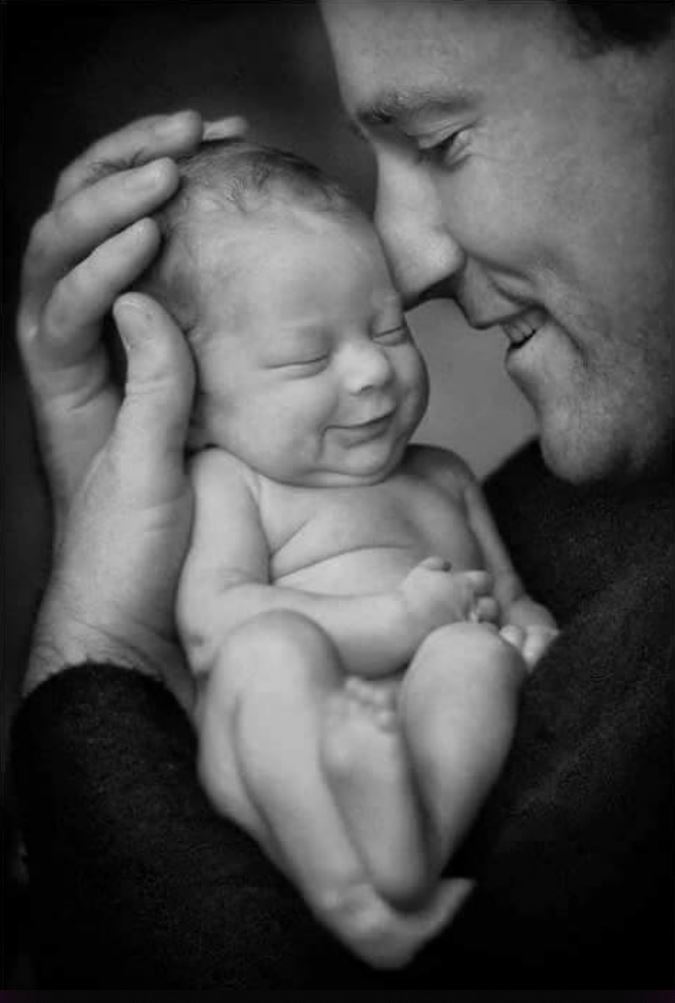
He therefore also depicts the ability to be productive in the external workaday world. Depending upon what level of relationship you have developed with him, your dream father is the power of creative life in you, the power to do, to create, to transform; the power in you to grow and unfold your potential. It has to be remembered that the dream father is not an image of your external father, but of what you carry of him inside you; what you have managed to develop of a working relationship with the power he represents. So you may, because of difficulties with your external father, be in conflict with your internal father, and so be lacking your full power to transform and create. See Integrating Parent of Ex; Power Dreaming; Family.
The dream father may depict family or social conventions along with physical strength and protectiveness; the will to be and to do, and so your outgoing energies. As such he represent your confidence as you go out the door of your home into the arena of public life. A poor relationship with your external or internal father leaves you somewhat crippled in that area. But by working with your dreams on your relationship with your internal father this can be changed. See: Using Symbols to Change Life Problems; working with dreams.
General negative: Introverted aggression; dominance by fear of other people’s authority; uncaring sexual drive; feelings of not being loved, inability to be creative in the world, in your outer activity; inability to relate well to men. See: archetype of the father; man.
If there are feelings of abandonment then it can feel very emotional. Please see abandoned
Either represents the feelings you have about your father, or the characteristics in your nature that have arisen from this relationship; or can represent an authority figure. Can also stand for a teacher, or person by whom you are much influenced. Or else your own positive, protective qualities. How you relate to the ‘doer’ in you; physical strength and protectiveness; the will to be.
Example: Began to go into the back pain again. Words came about carrying feelings about on my back all these years. Get of my back. It’s my father. I wanted my father to be perfect like God. I wanted a strong, perfect father, not a human being.
Then I saw how I was trying to be the perfect father with my own children, instead of the human me. “It’s too much of a bloody burden being a perfect father.” I could see how this idea of drive to be the perfect father has directed a lot of my relationship with my children. In the early days I hated them at times because they showed me so often how human I was. Recently I still planned things out of that desire instead of letting what I want. Although lately there has been a swing to the human me. Yesterday I took them for a walk instead of a sauna. I do want to take them to a sauna some time, but yesterday I did not have enough cash, and to go would have been out of the perfect drive. Instead we went for a walk.
Hurting, burying or killing parent: In the example below Audrey’s height shows her as a child. She is releasing anger about the attitudes and situations her father forced ‘down her throat’.
To be free of the introverted restraints and ready made values gathered from our parents, at some time in our growth we may kill or bury them in our dreams. Although some people are shocked by such dreams, they are healthy signs of emerging independence. Old myths of killing the chief so the tribe can have a new leader, depict this process. When father or mother is ‘dead’ in our dream, we can inherit all the power gained from whatever was positive in the relationship.
Seeing parent drunk, incapable or foolish: Another means of gaining independence from internalised values, or stultifying drives to ‘honour’ or admire father or mother.
Dead parent in dream: Either the beginning of independence from parent; repression of the emotions they engendered in us; our emotions regarding our parent’s death; feelings about death. See: dead people.
Example: Dreamt that while talking with my wife I remembered that my son and I had murdered someone years before, and buried the body under a great slab of cement. After the murder the guilt – or rather the fear of being found out – was awful, but as each period of time passed, we gradually managed to lose memory of what we had done. But now I had remembered and felt the anguish of the guilt and fear of discovery. C.R.
When exploring his dream, he says: “I was led to a direct feeling link with my mother as the dead body. I saw, or felt, that when I cut off from her at 5 and attempted independence of my need for her, because of the pain she brought about in me, I had killed her as an inward figure in my life, and buried my feelings of need for her. The cement represented the energy I had used, the decisiveness, to bury her, to get her out on my life. I went on to recognise that killing and burying my mother, or my relationship with my mother, in that way was not in my own best interests. It was really an expression of my own lack of love and awareness of my best survival direction. So imagined I took the bone’s and carefully and reverently buried them, along with my father.”
Example: ‘My father was giving me and another woman some medicine. Something was being forced on us. I started to hit and punch him in the genitals and when he was facing the other way, in the backside. I seemed to be just the right height to do this and I had a very angry feeling that I wanted to hurt him as he had hurt me.’ Audrey V.
Sometimes a dream about our family is a literal statement in symbols, of what we sense is happening in the family.
Example: I was on a train with my family – wife, and two daughters. The train was derailed but nobody was hurt and we got off the train. I was walking in a field near the train. I thought my wife and daughters had got back on the train. Then suddenly another train smashed into the rear of the derailed train making it concertina into a heap. I wasn’t sure if my family were still on the train.’
Roger associated the theme of derailing with a change in direction – the change that was coming about through his children becoming independent. Some months later his wife and daughters left him. Divorce followed.
Example: The movements gradually led to feelings. These expressed a living connection existing between my ancestors and myself. This surprised me because I had years ago gone through the realisations of what I carried from my father and his fathers – the subjugation by church and state. But this was different. It was not that I was still carrying the attitudes and fears, rather that because I dared to step out of dependence and subjugation by authorities, deeper levels of influence of a transpersonal nature were being called out of my body. I experienced the sense of our family having lived for generations under fear – fear of death – fear of what people would do to us if we didn’t conform. My breaking away from such conformity was the activity that was squeezing it out of my body. It felt like changes had occurred in my body to adapt to that way of life.
Inner Father: Many people do not realise that they have an inner father equally as powerful as an external father. You have taken in millions of bits of memory, lessons learnt, life experiences along with all the feelings or problems met by loving and living with your father, and they are what makes you the person you are. This is true even if your father was never there for you – you still have all the memories of him not being there for you filed under ‘Father’. The memories and experience we gather unconsciously change us and are not lost. It is part of you and is symbolised in dreams as a person or event. Such an inner father can appear in dreams because you are still deeply influenced by what you hold within you.
The inner father can also signify what has been received via genes passed on or ancestral influences. See ancestors: parent integration
Many people are lost and feel as if they cannot more, are trapped, even by past loves. But in fact the more people we can ‘digest’ or accept as part of our own experience, the more freedom we have. Each person we have within us in this way is a new space, a new area or space to live in.
Example: Then I slowly became aware of a deeper sense of the discomfort. It was a feeling of being stuck in one place and not being able to move. It wasn’t anything to do with moving physically but was as an awareness. It felt awful and I tried to move but couldn’t. The only way of describing it was as if we are all made out of the same stuff – as an example concrete – and as such we filled all space. So the little space I filled could not move because all around was filled by others. I felt really stuck and wondered what I could do, but there seemed no way out of it. Yet I could not believe this was really how things were.
Most of this was spontaneous thoughts and movement through the experience, so that was how I was led to thinking about my cousin Sid again, and his situation of being constantly linked with his mother even after he died. Then I realised that I was linked with Rita, and in feeling that I realised that I could move in at least two positions – me and Rita – because of the loving connection I felt.
Then came a flood of realisation, every person I had loved was another position I could be in; and then I knew all the animals I had loved and even people I had a casual relationship with. But there was even more because in dreams and sessions I had become or encountered amazing things, people, creatures, the alien beings and others. I knew then that I was FREE to go anywhere and be almost anything, because their life pattern was now part of me. Then with a rush of wonder, I realised that the more people and creatures I loved, the bigger I became. See Digest
Useful questions and hints:
How is my father portrayed in the dream – dominating – caring – distant?
What does this say about the ‘father’ influences I carry inside me?
Does my dream show what impact on my present life my father has?
You can go back into the dream and become your father, and have a conversation with him.
See Life’s Little Secrets – Being the Person or Thing – Techniques for Exploring your Dreams – Processing Dreams
Faucet
See: Tap.
Faun
See: Fairy.
Fax Machine
May represent things, ideas, a message, imagery, emerging out of the unconscious; the previously unexpected arising out of one’s contact with other people and society; communication with someone. See: telephone.
Useful questions and hints:
What was received or communicated with the fax?
What part does the fax/communication play in the dream?
Am I thinking or realising things that I have not taken enough notice of?
See Processing Dreams – Secrets of Power Dreaming – Using Symbols to Change Life Problems
Fear Frightened
To feel fear in a dream means that you have not yet developed abilities to cope with what is symbolised as causing the fear. One of the wonderful things about dreams if you work with them, is that they gradually show you how to deal with the parts of your nature that need to grow or to be healed. They show how to meet the parts of yourself that need release, or to be understood or healed. If it takes courage to meet these buried or painful parts of yourself, then your dreams will gradually take you on a journey that helps you to unfold your resources of courage. You will be enabled to face your fears, and in fact gain power and instruction from them.
Fear of something is usually an unconscious reaction like the action of pulling your hand away when you touch something hot. But that does not apply to the inner world of dreams, for nothing can actually hurt you in dreams, as they are like the virtual reality of computer games.
Example: I was walking past a large building site which had been excavated for foundations. Rain had filled the excavated pits and a large lake had formed. As I walked past I could see ancient primitive creatures rising out of the water. One of them, a large dinosaur, came toward me. I was scared and ran away. The dinosaur followed and started speaking to me. I couldn’t understand what it said.
I explored this dream and realised that through my internal digging into myself I had uncovered some feelings I had never met consciously before. The dinosaur speaking, I understood as my awareness of instinctive feelings, such as the anxiety, which I had suffered from a lot, and about the anger I felt toward my step children for not appreciating the work I was putting into building them a home and working to provide. Seeing these things helped me understand what was behind my difficult feelings and fears. For instance, I saw that fear is fundamental to all human experience, and I needed to meet it and help it to enter into the modern world instead of being repressed and remain in a primitive state where people cannot cope with it.
See Dreams are Like a Computer Game – Inner World – Nothing Can Hurt You in Your Dreams
See: facing fear; Avoid Being Victims; Martial Art of the Mind; emotions and mood; autonomous complex; wolf; pre-menstrual tension; processing dreams; Example under falling; Example under night journey – archetypes; Archetypes of Fear.
Feast
See: Food.
Feather
This may associate with the bird from which it came. It would therefore be different if it were a chicken feather or an eagle feather. In which case look up the bird of origin. In general however, a feather suggests a thought, an aspiration or ideal. Or an incrimination, white feather. Sometimes it is a symbol of achievement as a feather in your cap, or as used by Indian chiefs to represent courageous deeds or help given to the tribe. But a feather may also suggest something that is moved by every tiny puff of wind, every passing change – a feather blowing in the wind. See Birds; Eagle
In many cultures feathers represent the quality or beauty of the bird from which they come. So an eagle feather would represent strength, pride, fierce protectiveness, spiritual insight etc.; a peacock might represent beauty, self aggrandisement. So a feather might mean you have achieved the quality it depicts. In India they symbolise spiritual awareness; a black feather might depict the unconscious, or ability to explore it; a white feather in the past was associated with cowardice, but might also represent purity and wider awareness. Feathers also represent the ability to fly, to aspire, to lift up ones life from beliefs or fears that limit you; something easily blown by the wind – so non resistance, insubstantial.
White feather: During the two world wars, white feathers were given to men suggesting they were cowards because they were not fighting in the war. See colours for possible meanings for other colours.
In Britain during the First World War it was often given to men out of uniform by women to shame them publicly into signing up. In the United States armed forces, however, it is used to signify extraordinary bravery and excellence in combat marksmanship
The meaning obviously depends upon how the feather or feathers appear in the dream. Other associations might be suggested by the way feather is used in common language.
The wearing of feathers – other than in ladies hats – lets others know what qualities you have, what skills you have, or what remarkable deeds you have done. So the feathers of an American Indian brave would have a similar significance.
Because the peacock could shed all its beautiful feathers and then grow them again, early Christians saw it as a symbol of resurrection and immortality.
Example: Margaret dreamt there was a whole lot of downy little feathers falling from the sky and covering her, like snow. The sky was full of them. She had been watching a baby eagle very high up in tree tops flying from tree to tree. She felt it was looking for it’s mother/ parents. Then a man had caught the baby eagle by a string around it’s leg and Margaret was appalled and said to him, ‘You can’t do that. You must let it go.’ Then the feathers started to fall and Margaret felt that any moment now the irate parent eagles would arrive. They didn’t but she was with her back to a wall sheltering as best she could.
While we explored Margaret’s feelings and memories connected with the dream symbols, she told me that her man friend prodded an old childhood pain which he didn’t know about. Margaret and her son had been with him and his mother for a good weekend camping. She told her son he could go play in the park while they packed the car and they would pick him up on the way out. They were all in the car and drove to where the son was and called him, he saw them and started to run towards them and then the man friend drove the car forward as if to make out they were leaving him behind. Margaret burst with pain and anger.
Example: I had a strong fantasy of the human head that had been cut off coming alive. It was me and what I had done to myself, torn my body and head apart trying to find a solution to my pain. Then I saw flesh on its cheeks. Then it was like a native mask made of various things, and feathers. The feathers predominated in the fantasy. The mask kept breaking up, leaving only a few feathers, as if it or I were all nothing. I remember saying – “There is not even a mask, it’s just a few feathers!”
With enormous certainty I realised that there was no cure for my sickness and I had struggled in vain. It was a tremendous blow – and I gave up. I mean I gave up hope, everything, and simple lay there and my whole body and mind became still.
Then I had a vision of one feather tied to a twig by piece of wool, blowing in the wind – a feather blowing in the wind. This was very stable and persistent in the fantasy. Everything resolved back to the feather blowing in the wind. It seemed like a Red Indian symbol, perhaps tied to the suspended body of the dead, but I could not understand.
Then it came to me that I had to listen in deep stillness – not think, not seek to understand, not struggle, just listen. My whole being entered into silence, gently listening as one might listen to the rain falling on a lake. Then suddenly it was known – the feather blowing in the wind – the sound of one hand clapping – the essence of human existence. Open against the sky – emptiness – enormity. I was healed.
Feather blowing in the wind: Suggests the caprices of fate; the strange contradiction of human life with its helplessness, and yet at the same time the wind and space the feather moves in suggests the infinity of the cosmos which is fundamental to our existence.
Feathers flying or falling: Possibly refers to a fight situation – feathers were flying.
Growing new feathers: Becoming a new person; undergoing great personal change; growth; in the past this was seen as a sign of resurrection or new birth.
Idioms: ‘feather in ones cap’; light as a feather; feather blowing in the wind; feather bed; feather ones own nest; birds of a feather flock together.
Useful questions and hints:
What do I feel about this feather and what does it suggest to me?
Do I connect this to a special talent or skill in my dream?
Does it indicate an achievement, as in ‘feather in my cap’?
Am I feeling blown about like a feather in the wind?
See Techniques for Exploring your Dreams; Questions; Life’s Little Secrets
Fee
The price to be paid. For instance, the price of maturity is greater responsibility. Or the price we have to pay for not living in-harmony with our innate nature is sickness or unhappiness. There is a Spanish saying, Take what you want in life, and pay for it. The fee can therefore symbolise what you will have to pay for your desires, aims and activities. See: Fare; Ticket.
Feet Foot
Your basic psychological support system, therefore the attitudes and ideals you use to get around in the world. Feet are also your ability to balance. Where you place your feet in the dream can also indicate whether you feel secure in your present life situation, or whether you are finding conditions, ‘footholds’, to advance or make changes.
In the bible it says, “The feet are symbols of desire. They must be bare: drawn out of everything temporal and mortal.” This suggests that our feet can represent our desire or motivation, and to take our shoes off means we are willing to drop our own purpose and follow the urge from our core instead of desires for things that pass away. The feet may therefore indicate your involvement in all things physical, and all the beliefs and viewpoints that are dependent upon it. (The Bible can be seen as collected folk wisdom that is venerated, and so can be disconnected with any religious organisation).
To dream of feet might also suggest your sensitivity to your present life situation, whether it is rough going or not.
Our feet can sometimes be linked with roots, in that we stand upon the earth with them. As such they are the way the lowest or most primitive in us is transformed, just as roots lift up earth in the process of transforming it into living cells.
As the idioms below suggest, we mention feet a lot in our everyday language to indicate attitudes, motivation or lack of it, and how well or badly we are coping in life and relationships.
Barefooted; To be in contact with reality, your real life situation. Might also suggest rough going if walking is hard. Of course, in some cultures it could mean poverty.
Loss of foot or feet: Incapacitated in making moves, or in being independent or self-motivated; in the Oneirocritica, c.AD 350, it says that to lose ones feet points to a barrier in regard to a planned journey.
Muddy feet: This suggests that you are mired in attitudes that are very material or very practical and have lost sight of your other dimension of being.
Washing feet: Is not only a sign of caring for yourself or being cared for, but is also a statement offering you a new life that is free of the worries and fears of the everyday physical world.
Example: When I asked how it could be possible that such love could be a part of my life I wept as I received the response. It was that we must learn to wash somebody’s feet. I felt this very deeply. I saw that it wasn’t simply a case of taking a flannel, a piece of soap and washing off the dirt from someone’s feet. That is not what it is about. That is not what it’s supposed to be.
To touch such love is painful and I was weeping as if in agony. What is it to wash somebody’s feet? I don’t understand. I am listening but I don’t understand. I feel it but I cannot grasp clearly what is meant.
Then I was told that the person who washes somebody’s feet is the servant. You have to realise, first of all, that you are a servant. You are nothing more. You are not proud, you are not above somebody else. You are a simple servant of life. And yet you are life – that grand mystery of life. Like the grass, life can be trodden under foot. You have to realise that before you can really touch anybody with that great love.
Idioms: back on your feet; caught flatfooted; cold feet; drag your feet; fancy footwork; feet of clay; footloose; grass grow under; itchy feet; jump in with both feet; heavy foot; land on your feet; put my foot down; put your foot in it; pussy-foot around; put your best foot forward; put your foot in your mouth; set foot in; shoot yourself in the foot; sweep you off your feet; take a load of your feet; two left feet.
Useful Questions and Hints:
Do any of the idioms suit the situation in the dream – if so what does it suggest?
If my foot or feet are damaged, in what way is my ability to progress or ‘stand’ in waking life difficult?
Am I in good or difficult ‘standing’ in my life – if difficult can I imagine changing it?
See Associations Working With; Inner World; Techniques for Exploring your Dreams